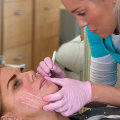
Aesthetic clinics in the UK have gained significant popularity in recent years, offering a range of cosmetic procedures designed to enhance appearance and boost confidence. From non-invasive treatments like dermal fillers and chemical peels to more intensive surgical options, these clinics cater to a diverse clientele seeking to improve their aesthetic appeal. As the demand for such services grows, so does the importance of Aesthetic clinics in the UK have gained significant popularity in recent years, offering a range of cosmetic procedures designed to enhance appearance and boost confidence. From non-invasive treatments like dermal fillers and chemical peels to more intensive surgical options, these clinics cater to a diverse clientele seeking to improve their aesthetic appeal. As the demand for such services grows, so does the importance of aesthetic clinic reviews UK, which provide potential clients with insights into the quality of care, expertise of practitioners, and overall patient satisfaction.Reviews play a crucial role in guiding individuals through their decision-making process. They not only highlight the effectiveness of various treatments but also shed light on the follow-up care and maintenance required after procedures.
Many patients share their experiences regarding post-treatment care, which can significantly influence the outcome of aesthetic procedures. Understanding what to expect after a treatment is essential for anyone considering these services, as it can help set realistic expectations and ensure optimal results.In this context, exploring the feedback from previous clients can reveal common themes related to aftercare practices. Some reviews may emphasize the importance of adhering to specific maintenance routines or attending follow-up appointments to achieve lasting results. By delving into these reviews, prospective patients can better prepare themselves for their aesthetic journey, ensuring they are well-informed about both the immediate effects and long-term commitments associated with their chosen treatments.
The Importance of Reviews for Aesthetic Clinics
In the competitive landscape of aesthetic clinics in the UK, reviews play a pivotal role in shaping the reputation and success of these establishments.Potential patients often turn to online platforms to gauge the quality of services offered, making reviews a crucial factor in their decision-making process.
Patient experiences
shared through reviews provide invaluable insights into the level of care and professionalism that a clinic offers. These testimonials can highlight not only the results of various procedures but also the follow-up care and maintenance required post-treatment. For instance, a review detailing a positive experience with aftercare can reassure prospective clients about the clinic's commitment to their long-term satisfaction.Moreover, aesthetic clinic reviews can significantly influence a clinic's reputation. A high volume of positive feedback can enhance credibility, while negative reviews can deter potential clients.This dynamic underscores the importance of maintaining high standards in both treatment and patient care.
- Trust Building: Positive reviews foster trust among potential patients, making them more likely to choose a particular clinic.
- Feedback Loop: Reviews provide clinics with essential feedback that can be used to improve services and address any shortcomings.
- Community Engagement: Engaging with reviewers, whether they leave positive or negative feedback, shows that a clinic values patient input and is committed to continuous improvement.
Common Procedures Offered by Aesthetic Clinics
Aesthetic clinics in the UK offer a wide range of procedures designed to enhance appearance and boost confidence. Understanding these common treatments is essential, especially when considering the follow-up care that may be required post-procedure. Some of the most popular aesthetic procedures include:- Botulinum Toxin Injections: Commonly known as Botox, this treatment is used to reduce the appearance of fine lines and wrinkles.
Follow-up care often involves avoiding strenuous exercise and not lying down for several hours after the procedure.
- Dermal Fillers: These are used to add volume to areas such as lips and cheeks. Patients may need to schedule follow-up appointments to assess results and discuss any touch-ups.
- Chemical Peels: This treatment helps improve skin texture and tone. Post-treatment care includes using gentle skincare products and avoiding sun exposure to ensure optimal healing.
- Laser Hair Removal: A popular choice for long-term hair reduction, this procedure typically requires multiple sessions. Aftercare includes avoiding sun exposure and using soothing creams to reduce irritation.
- Microdermabrasion: This non-invasive procedure exfoliates the skin, promoting a brighter complexion.
Follow-up care may involve using specific moisturisers and avoiding harsh skincare products for a few days.
Follow-Up Care: What Do Reviews Say?
When exploring aesthetic clinic reviews in the UK, a recurring theme is the emphasis on follow-up care and the maintenance required after various procedures. Many patients express their experiences regarding the level of support they received post-treatment, which can significantly influence their overall satisfaction.Common Themes in Follow-Up Care Reviews
- Communication: Numerous reviews highlight the importance of clear communication from the clinic regarding what to expect after a procedure. Patients appreciate when clinics provide detailed instructions on aftercare, including any necessary follow-up appointments.
- Accessibility: Many patients mention how accessible their practitioners were for questions or concerns following their treatments.
Reviews often praise clinics that offer easy ways to reach out for advice, whether through phone calls, emails, or dedicated follow-up consultations.
- Post-Procedure Check-Ins: Some reviews specifically commend clinics that conduct follow-up check-ins to assess healing and satisfaction. This proactive approach not only reassures patients but also fosters a sense of trust and care.
Maintenance After Aesthetic Procedures
In addition to immediate follow-up care, many reviews discuss the long-term maintenance required after aesthetic procedures. Patients frequently mention:
- Regular Treatments: For procedures like dermal fillers or Botox, patients often note the necessity of regular top-ups to maintain results. Reviews indicate that clinics that clearly outline these requirements tend to receive higher satisfaction ratings.
- Skincare Regimens: Many patients appreciate when clinics recommend specific skincare products or routines to enhance and prolong results.
Positive feedback often highlights clinics that provide tailored advice based on individual skin types.
Patient Feedback on Follow-Up Care
The overall sentiment in patient feedback regarding follow-up care is one of appreciation for thoroughness and support. Clinics that prioritise post-procedure care not only improve patient outcomes but also build lasting relationships with their clients. As such, potential patients are encouraged to consider these aspects when reading aesthetic clinic reviews in the UK, as they can be indicative of the quality of care provided.
Types of Follow-Up Care Mentioned in Reviews
In the realm of aesthetic clinic reviews UK, patients often share their experiences regarding the follow-up care they received after various procedures. This feedback is invaluable for prospective clients looking to understand what to expect post-treatment.Here are some common types of follow-up care mentioned in these reviews:
- Skincare Routines: Many reviews highlight the importance of adhering to a specific skincare regimen after treatments. Patients frequently mention receiving tailored advice on products to use, such as moisturisers, sunscreens, and serums that aid in recovery and enhance results.
- Additional Treatments: Some patients report being recommended follow-up treatments to maintain or improve their results. For instance, after dermal fillers, clinics may suggest touch-up sessions or complementary procedures like chemical peels to prolong the effects.
- Regular Check-Ups: Reviews often indicate that clinics encourage patients to schedule follow-up appointments. These check-ups allow practitioners to assess healing and address any concerns, ensuring that patients feel supported throughout their recovery.
This includes information on potential side effects and when to seek further assistance. Such transparency not only builds trust but also empowers patients to take an active role in their post-treatment care. Overall, the emphasis on post-treatment maintenance in aesthetic clinic reviews UK reflects a growing awareness among patients about the importance of follow-up care in achieving optimal results. Prospective clients are encouraged to consider these aspects when choosing an aesthetic clinic, as comprehensive aftercare can significantly impact their overall satisfaction with the procedure.
Patient Experiences: Case Studies from Reviews
Patient reviews of aesthetic clinics in the UK often provide valuable insights into the follow-up care and maintenance required after various procedures. These real-life experiences can help prospective patients understand what to expect post-treatment.Case Study 1: Dermal Fillers
One patient shared their experience after receiving dermal fillers at a well-reviewed clinic in London.They noted that the clinic scheduled a follow-up appointment two weeks post-procedure to assess the results and make any necessary adjustments. The patient appreciated this proactive approach, stating, "It was reassuring to know that they were committed to ensuring I was happy with the results and offered touch-ups if needed." This highlights the importance of ongoing support in aesthetic treatments. in aesthetic treatments.
Case Study 2: Laser Hair Removal
Another review from a patient who underwent laser hair removal at a Manchester clinic emphasized the significance of following the recommended maintenance schedule. The patient mentioned, "I was advised to return every six weeks for optimal results, and I found that sticking to this schedule made a noticeable difference in my hair reduction." This feedback underscores how adherence to follow-up care can enhance treatment outcomes.Case Study 3: Skin Rejuvenation Treatments
A third case involved a patient who had skin rejuvenation treatments at a clinic in Birmingham. They reported receiving detailed aftercare instructions, including skincare products to use and activities to avoid for a week post-treatment.The patient remarked, "The aftercare advice was invaluable; it helped me avoid complications and ensured my skin healed properly." This example illustrates how comprehensive aftercare guidance can significantly impact recovery and satisfaction.Overall, these case studies from aesthetic clinic reviews in the UK reveal that follow-up care is not only common but also crucial for achieving desired results. Patients who engage with their clinics post-procedure often report higher satisfaction levels and better outcomes, reinforcing the importance of thorough aftercare in aesthetic treatments.
Expert Opinions on Follow-Up Care in Aesthetic Treatments
In the realm of aesthetic treatments, follow-up care is often highlighted by industry experts as a crucial component for achieving optimal results. Many reviews for aesthetic clinics in the UK reflect this sentiment, noting that practitioners who prioritise post-treatment care tend to foster better patient satisfaction and outcomes.According to Dr. Emily Carter, a renowned aesthetic practitioner, "The initial treatment is just the beginning; how a patient cares for their skin afterwards can significantly influence the longevity and effectiveness of the results." This perspective is echoed by numerous professionals who stress the importance of tailored follow-up plans.Key Recommendations for Follow-Up Care
- Regular Check-Ins: Many experts recommend scheduling follow-up appointments within a few weeks post-treatment to assess healing and address any concerns.
- Home Care Regimens: Patients are often advised to adhere to specific skincare routines that may include moisturisers, sunscreens, and serums designed to enhance and protect the results.
- Monitoring Changes: Practitioners encourage patients to keep track of any changes in their skin condition and report these during follow-ups, allowing for timely adjustments in care.
James Thompson, a leading dermatologist, emphasises that "the relationship between patient and practitioner should extend beyond the treatment chair." He advocates for open communication regarding any side effects or unexpected outcomes, which can be pivotal in ensuring patient safety and satisfaction.In conclusion, expert opinions consistently underline that follow-up care is not merely an afterthought but an integral part of the aesthetic treatment journey. Reviews from patients often highlight clinics that provide comprehensive post-treatment support as being more trustworthy and effective, reinforcing the idea that ongoing care is essential for achieving lasting beauty results.
Frequently Asked Questions About Aesthetic Clinic Follow-Up Care
When considering treatments at aesthetic clinics, many potential patients often have questions regarding follow-up care and maintenance. Reviews for aesthetic clinics in the UK frequently touch on these aspects, providing valuable insights for those contemplating procedures.What is Follow-Up Care?
Follow-up care refers to the post-treatment procedures and recommendations that patients should adhere to in order to ensure optimal results. This can include:- Regular check-ups: Many clinics recommend follow-up appointments to monitor healing and assess the results of the treatment.
- Skincare routines: Patients are often advised on specific skincare products or routines to maintain their results.
- Managing side effects: Clinics may provide guidance on how to handle any side effects or complications that arise after the procedure.
Common Questions About Follow-Up Care
Based on patient reviews, here are some common inquiries regarding follow-up care:- How soon should I schedule a follow-up appointment?
Most reviews suggest scheduling a follow-up within a week or two after the procedure, depending on the treatment type. - What if I experience unexpected side effects?
Patients are encouraged to contact their clinic immediately if they notice any unusual symptoms, as timely intervention can be crucial. - Are there any specific products I should avoid?
Many reviews highlight that clinics often provide a list of products to avoid post-treatment, which can include certain skincare ingredients or treatments.
By understanding what to expect and adhering to recommended guidelines, patients can significantly enhance their treatment outcomes and satisfaction.
Conclusion: The Role of Follow-Up Care in Aesthetic Clinic Success
In conclusion, the significance of follow-up care in the realm of aesthetic procedures cannot be overstated. As highlighted throughout this article, many aesthetic clinic reviews in the UK emphasize the necessity of ongoing support and maintenance after initial treatments. This aspect is crucial for ensuring optimal results and client satisfaction.Clients often report that clinics which provide comprehensive follow-up care tend to foster a stronger sense of trust and reliability. This includes:- Post-procedure consultations: Regular check-ins to assess healing and address any concerns.
- Maintenance treatments: Recommendations for additional sessions to maintain results, such as skin boosters or touch-ups.
- Access to professional advice: Guidance on skincare routines and lifestyle adjustments that can enhance the longevity of results.
Clients appreciate when their aesthetic clinic takes a holistic approach, considering their long-term well-being rather than just immediate results.Ultimately, when selecting an aesthetic clinic, it is essential to consider how they handle follow-up care. A clinic that actively engages with its clients post-treatment is likely to provide a more satisfying experience and better results. Therefore, potential clients should look for aesthetic clinic reviews in the UK that specifically mention follow-up care practices as a key factor in their decision-making process.